
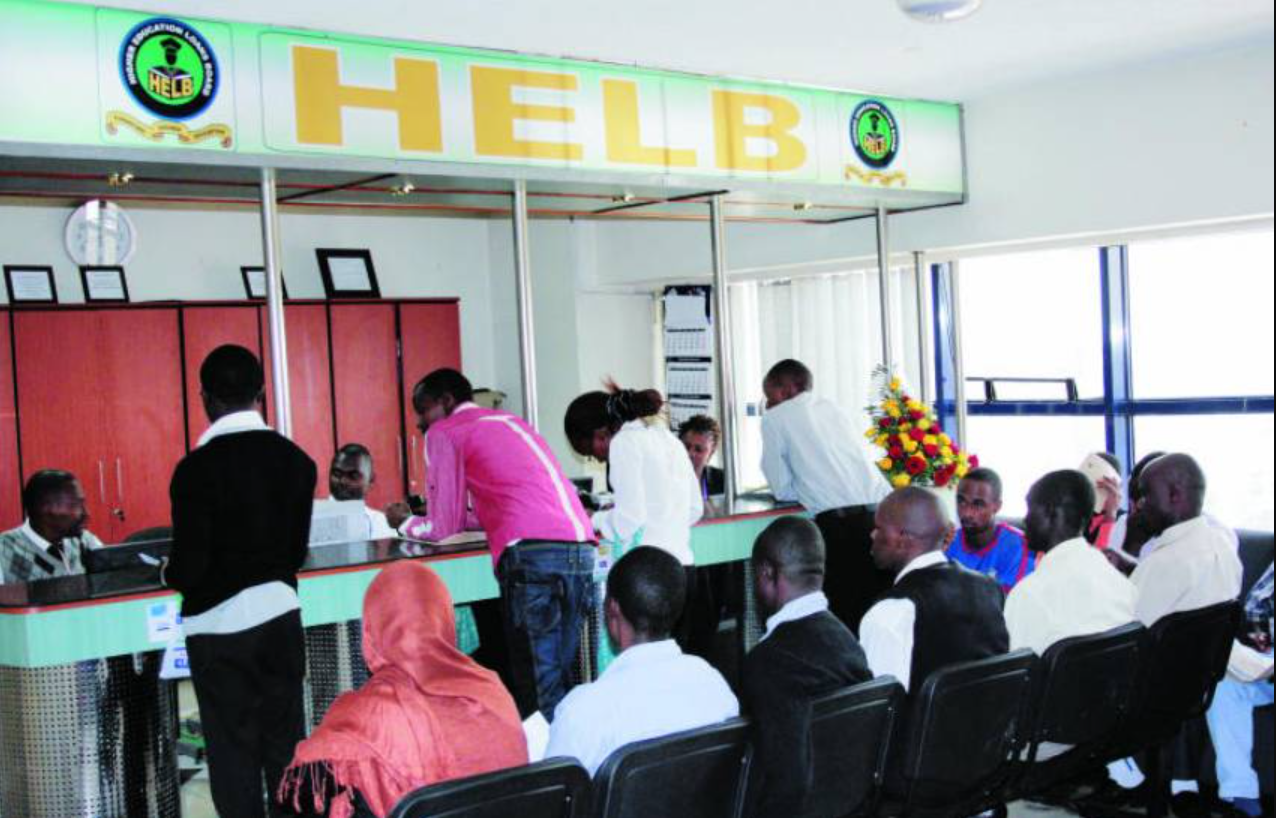
Two days after Kenya extended the deadline for first-time applicants seeking government funding for higher education, it is emerging that there are more questions than answers on the release of the funds to secure admissions.
Education Cabinet Secretary, Migos Ogamba, on September 3 announced that the applications will be extended to September 21, allowing those who had not applied by August 31 time to do so. He announced that of the 202,000 university Freshers, 195,000 had applied, leaving a paltry 7,000, among them those who self-fund.
Across the board, Mr Ogamba said 789,422 applications had been received by the time the initial deadline elapsed on August 31.
Some of the grey areas: If the funding requests will be processed using the existing model, why did the applicants need a further 21 days to finalise the process? Why didn’t the government address parents on disbursement as they were being sent back home with their children? Would it be possible to have the ‘universal access’ law before the end of the year? Did the remaining average 5,000 First-Years meet the threshold for such an extension?
Across the country, universities sent back parents and guardians with their children for failing to pay a minimum of between Sh12,000 and Sh20,000, depending on the fees clusters, estimated at 10 percent of the required fees.
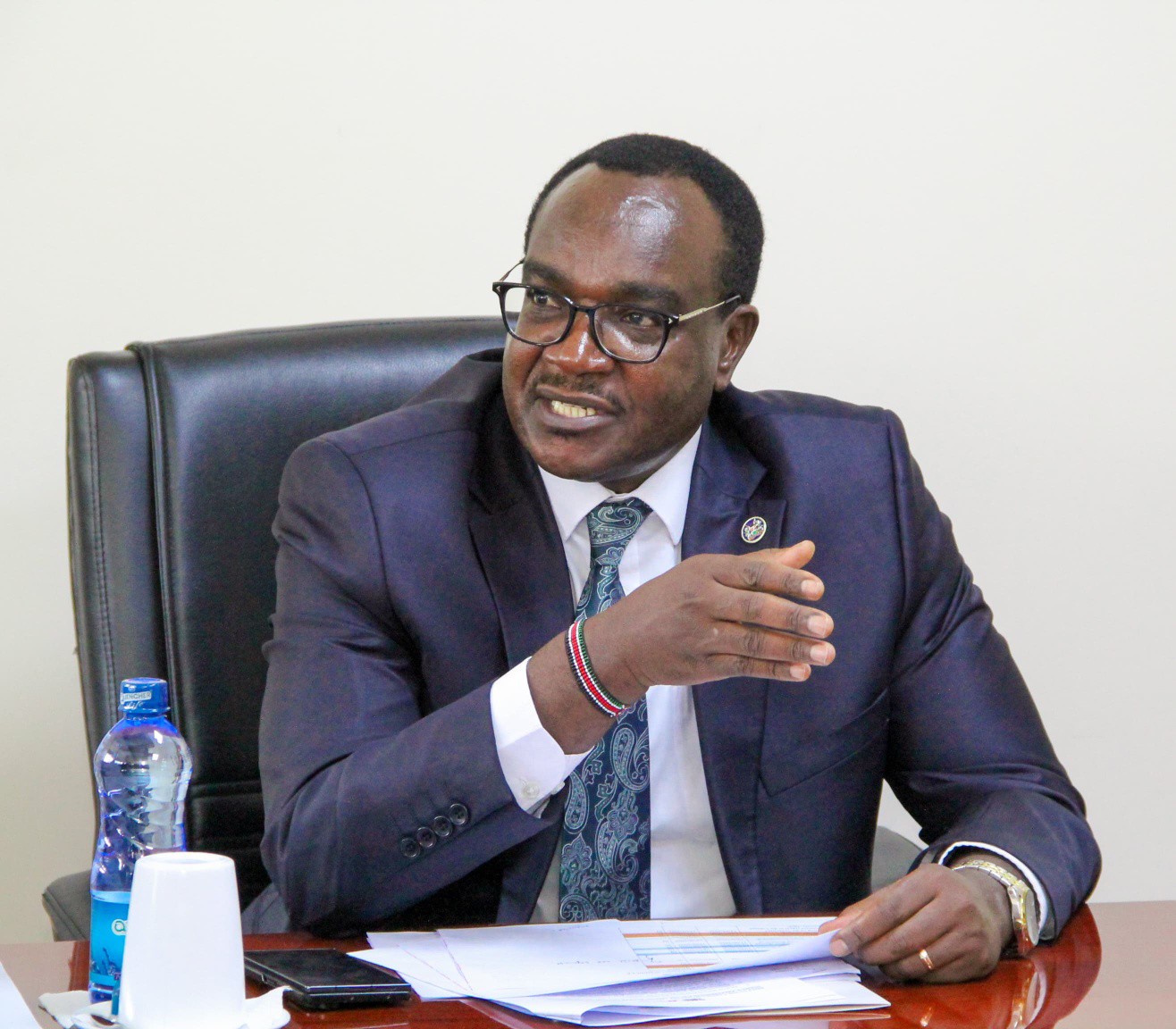
Mr Ogamba has clarified that the applications will be processed under the existing Student-Centred Funding Model, ruling out the possibility of using the universal access Bill that is being debated in Parliament.
The CS said the government would introduce “appropriate transitional mechanisms to Universal Access and Funding Framework shall be implemented once Parliament passes the Tertiary Education Placement and Funding Bill, 2026.”
The Student-Centred Funding Model remains a controversial formula since it was introduced and Mr Ogamba on Friday said it “may have some challenges” This model places applicants in bands based on the assessed financial needs of individual students and the possibility of “universal” fund must have warmed the hearts of many parents, guardians and the learners.
Some analysts have warned that running the Bill on universal funding would be disastrous, partly with being rushed during debate. “If the law were to be used with the 2025 KCSE graduates, their reporting to colleges and universities would have been delayed until the nuts and bolts are fixed,” an educationist, who requested anonymity, told A Plain.
The Higher Education Loans Board (HELB) application extension comes almost two weeks since universities started the admissions. So far, a number of universities are through with their First Year orientations, having wrapped it up with matriculation presided over by vice-chancellors.
Last year was different since the Freshers, in a long time, received their HELB funds before the admissions week, giving them a springboard into their new life in the journey of becoming professionals.
Promises by the Education Ministry and the VCs lobby that there are arrangements for needy students to be accommodated until the HELB funding is released fails to meet the demands of personal requirements such as upkeep.
The CS announced that the government had disbursed Sh22.12 billion in first semester and term to continuing university and TVET students.
“Recognising that some eligible students and trainees may not have met the initial deadline on account of various causes, the Universities Fund and the Higher Education Loans Board have been directed to extend the application window for all eligible applicants to September 21, 2026,” Mr Ogamba said.


