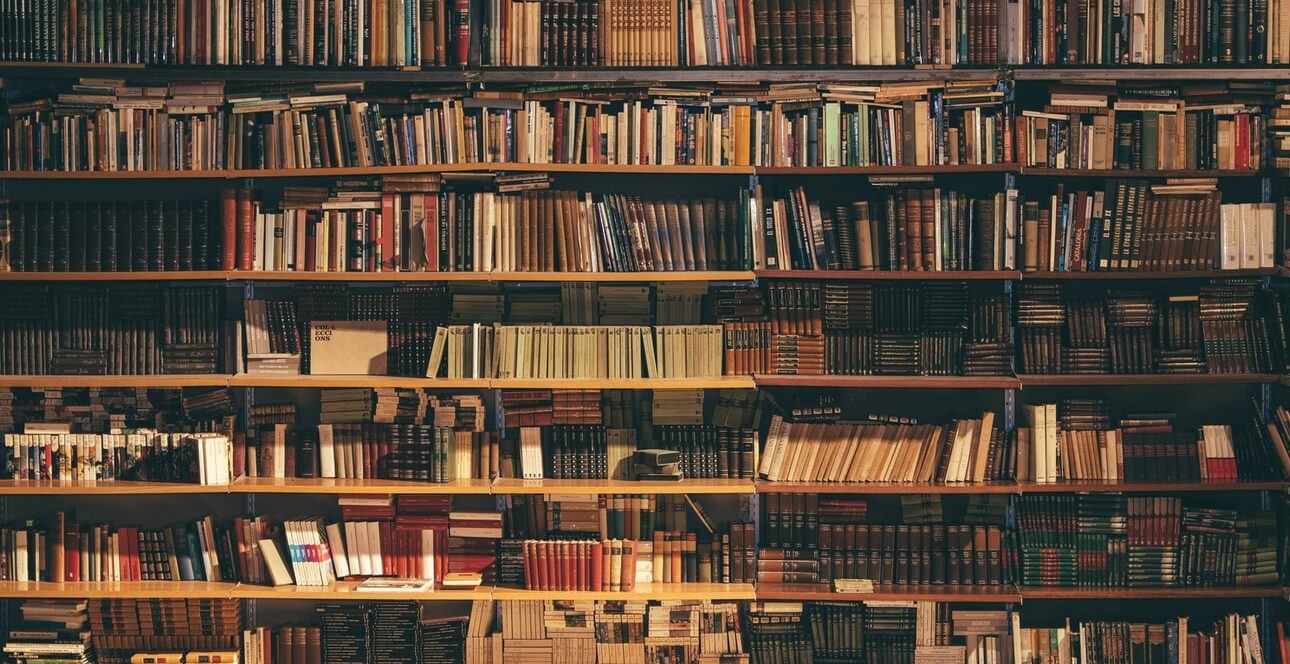
Mukami Mungai, a book lover and writer, visited the headquarters of the Kenya National Library Service (KNLS) in Nairobi and was amazed by the amount of resources the facility holds.
“It’s an underutilised gem,” she concluded on Twitter, especially looking at the refurbished Maktaba Kuu, a grandiose edifice hosting millions of reading materials and dwarfs the then branch.
Her tweet released a fusillade of thoughts, revealing what the public is thinking about the KNLS with its 64 branches across the country plus mobile units on bikes and vans.
“Is there wi-fi?” was a dominant question, showing a desperate search for reliable internet connection to access information for entertainment, research, and school studies.
Entertainment because one person said he needed the silent spaces with internet “to idle.” Caymil Nkurunziza claimed Maktaba Kuu was “a good place for a first date”.
Readers are also asking for more branches not just in Kenya but in Nairobi that hosts the Community-based head office and the “beautiful” Buruburu unit, according to Atula Owade. Added Owade: “My high schooling would never have been possible without it. We need more of these places around the country.” Buruburu was the head office of the agency before the building of Maktaba Kuu.
Milcah Ndung’u said the Buruburu branch made her campus life “easy”, adding it is “a very quiet place to study”. It warmed her heart, she concluded.
Nyadida challenged the agency to refurbish satellite branches, saying the Naivasha unit was “in a sorry state” while the Kisumu library did not have enough seats.
KNLS charges adults Sh20 for daily entry while primary school children have free access; adult and children borrowers can take books out of the library at Sh20 and Sh5 per book for 14 days.
“People can’t eat; how can they afford to pay fare to town then walk all the way to Upper Hill?” asked Ragnar, perhaps proposing that more branches for improved access. As for Yungle Pever, reading is “elitist” and for “hustlers” like him, reading ends with the Bible and Quran.
Give us more digital reading materials, said Petre ole Kaslim, explaining the world was going virtual and the library ought to follow suit for reading to take place from everywhere. The KNLS is digitising reading materials at Sh250 million.
Neok Kijomba said the State library was a “sleeping giant,” likening it to the Postal Corporation of Kenya (Posta) that is struggling with snail mail in the era of instant messaging, real-time communication, and cheaper/faster internet.
Allan the Great, said anyone who’s subscribing to a leading university’s off-campus resources “won’t need to set foot in a [physical] library”. Mkenya Daima asked for modern books, saying “most of those books there [at KNLS) are useless and old; we are living in a new generation”.
Two days after Mukami’s tweet generate debate, she reported the number of people visiting Maktaba Kuu went up. Dancan Mugambi said: “Finally I visited the library yesterday! THAT PLACE IS AT AN INTERNATIONAL LEVEL IN STANDARDS [emphasis his own].”
KNLS boasts both open and subscribed e-resources and e-journals, the latter helping readers to access current and relevant materials in a more disrupted world. Among its “special services” are braille, prisons and mobile library services for schools.
Gathoni said the KNLS collectors have “superb taste” and she had been a member since childhood, enrolling her children on the advice of their grandpa. Mukami said the children’s section “makes me feel like being a kid once more.”
Talking about well-known grandparents who are avid readers in Kenya, the late Rangwe MP Ouma Muga comes to mind. Nation Media Group’s Sunday Nation once profiled Prof Muga as an avid reader who frequented Parliament’s library even after losing his parliamentary seat. He was a renowned environmentalist, a respected don, and dependable person within a number of international agencies, including the United Nations. He died in 2018.
When he was recently elevated within months of joining the CNN to become an International Correspondent, Kenyans asked Larry Madowo to show them the secret of bagging top jobs, bowing to “Larry’s God.” What many people didn’t know is that Madowo is a reader who has been posting online cartons of books, sometimes discussing his reading speed.
A former NTV journalist in Kenya, Madowo worked for the BBC as Africa Business Editor and soon went back to school, joining Columbia University as a Knight-Bagehot Fellow for a master’s in Business and Economics Journalism. His rise could partly be attributed to reading.
RustyCase said it will take time before Kenyan children make reading a habit. Others also read without announcing to the world, if anything silence is golden if you were to read well.
On Twitter, It’s Gatwiri confessed she didn’t know such a place existed in Nairobi. Apart from the KNLS, Macmillan Library on Banda Street run by the Nairobi County is the other public library in the capital city. Public university libraries have restricted access to students, the faculty members, and other workers, perhaps because of the high population.
In the past Kenyatta University’s Moi Library allowed the public to access its facility. It has since upgraded its library to what it calls the KU Post-Modern Library, a five-storey next to its Science Complex, another architectural marvel that should remain beautiful with regular repairs.
In the past, the British High Commission-managed British Council libraries in Nairobi and Kisumu were choice alternatives but they died a natural death when only a few people used the gems. The British Council library in Kisumu was closed due to low numbers, forcing The Standard newspaper to plead with the public to register as members. It folded.
aplainteam@gmail.com