Laikipia University has stepped up the search for international students by working closely with envoys posted to Kenya.
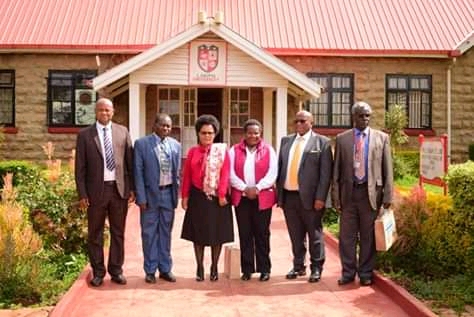
For more than four years, the university has hosted ambassadors and high commissioners from the UK, Botswana, Mozambique, and Venezuela, exposing them to the university’s programmes while also using the occasions to introduce its students to diplomacy and foreign relations.
In March, the university hosted the Batswana envoy to Kenya Gobopang Duke Lefhoko and planned to host his Cuban counterpart until the coronavirus attack altered many activities.
It hosts the diplomats who lecture Fourth Year students taking Introduction to Diplomacy course as a common unit.
Dr Babere Kerata Chacha, the university’s external linkages officer, said Laikipia uses the occasions to market itself globally through online channels.
Although the university is yet to launch a full course in diplomacy and international relations, Dr Chacha said the lectures encourage graduates to further studies in diplomacy-related disciplines.
Kenyan universities have, for years, been under pressure to generate own revenues in the face of dwindling allocation from the Treasury.
International students, who pay premium fees, are a possible revenue stream for universities that offer courses that appeal to wider audiences. Accommodation, academic calendars, security, marketability of courses, cost, and getting visas are some of the considerations for foreign students.
Programmes like African languages, chief among them Kiswahili, also give Kenya a vantage position in the quest for foreign students where South Africa tops the charts in Africa with about 40,000 students, according to Unesco.
Kenya hosts 4,644 foreign students from across the world with five leading source markets being Angola with 1,098, Tanzania (458), DRC (450), Uganda at 400 and Nigeria (285), the UN data says.
Other East African Community countries Rwanda and Burundi sent 168 and 163 in that order.
Through the envoys, Laikipia University was building ties with a key link to accessing the foreign students who, apart from paying higher fees, give the institutions more international appeal.
High commissioner Gobopang Duke Lefhoko promised to send some of Botswana’s best students to study at Laikipia University through government sponsorship.
Mr Gobopang said Botswana offers free learning up to tertiary education, giving students a chance to compete for scholarships outside the country.
“There are a number of Botswana students who study big courses including Medicine and Engineering in Kenya,” he said at the March lecture attended by Laikipia’s vice-chancellor Rotich Kibett and other top officials. Batswana students in Kenya are 28, according to the United Nations data.
Mr Gobopang has been invited to Laikipia University several times for the lectures ”and I believe that bringing students from Botswana is the best way to strengthen this relationship, ” he said.
Prof Kibett agreed to the proposal, saying Laikipia University is a premier trainer that was keen on expanding its programmes.
Under pressure to fund their operations, universities have been accused of coming up with irrelevant courses that do not meet the demands of the 21st century.
Due to the criticism, the government has been focused on training more people in sciences, technology, engineering and mathematics (STEM) to deliver graduates who can run own enterprises instead of relying on the increasingly thin job opportunities in the government and the private sector.
Nonetheless, some schools of thought say the economy requires people from all cadres, not just technical people. For example, the critics say, the runaway corruption requires new thinking, which demands input from liberal arts, for example.