Hours after the University of Nairobi warned it will start deregistering students who have overstayed on their programmes, heads of departments are grappling with a sea of inquiries from panicking learners.
Prof Julius Ogeng’o, the academic affairs deputy vice-chancellor, says overstayed students, those expelled or discontinued, and those with unexplained stagnation will be deregistered according to the Senate’s August 2020 decision.
Students who either withdrew temporarily, deferred studies or were suspended will also be unhooked from their studentship.
More likely to be affected are master’s cohorts who, according to the Commission for University Education, ought to be through with their programmes within a maximum of five years.
It is expected that there will be a flurry of activity at the departments, schools and institutes after affected learners dust their yellow notes and rush to complete the master’s programmes that have increasingly become a hot cake in the job market.
A number of State agencies, companies, and international organisations including the well-paying UN and the African Development (AfDB) are now demanding a minimum of master’s qualification for managerial positions in a market where many graduates have returned to school to beat the tight screening for entry and top jobs.
A few years ago, the CUE headed by Prof Mwenda Ntarangwi as CEO and Prof Chacha Nyaigotti Chacha — a former chief executive of the Higher Educational Loans Board — decided that master’s studies must end within five years.
However, some students have stretched their stay, either due to laziness or twisted programme supervision, the latter leading to court fights with the universities when aggrieved students take legal action for a hard-to-avoid snail speed course assessment.
Ordinarily, master’s studies should run for two years, one each for course work and resaerch, but this has proven a Herculean task for many students who are distracted by supervision, employment or family demands especially when Module II was in vogue.
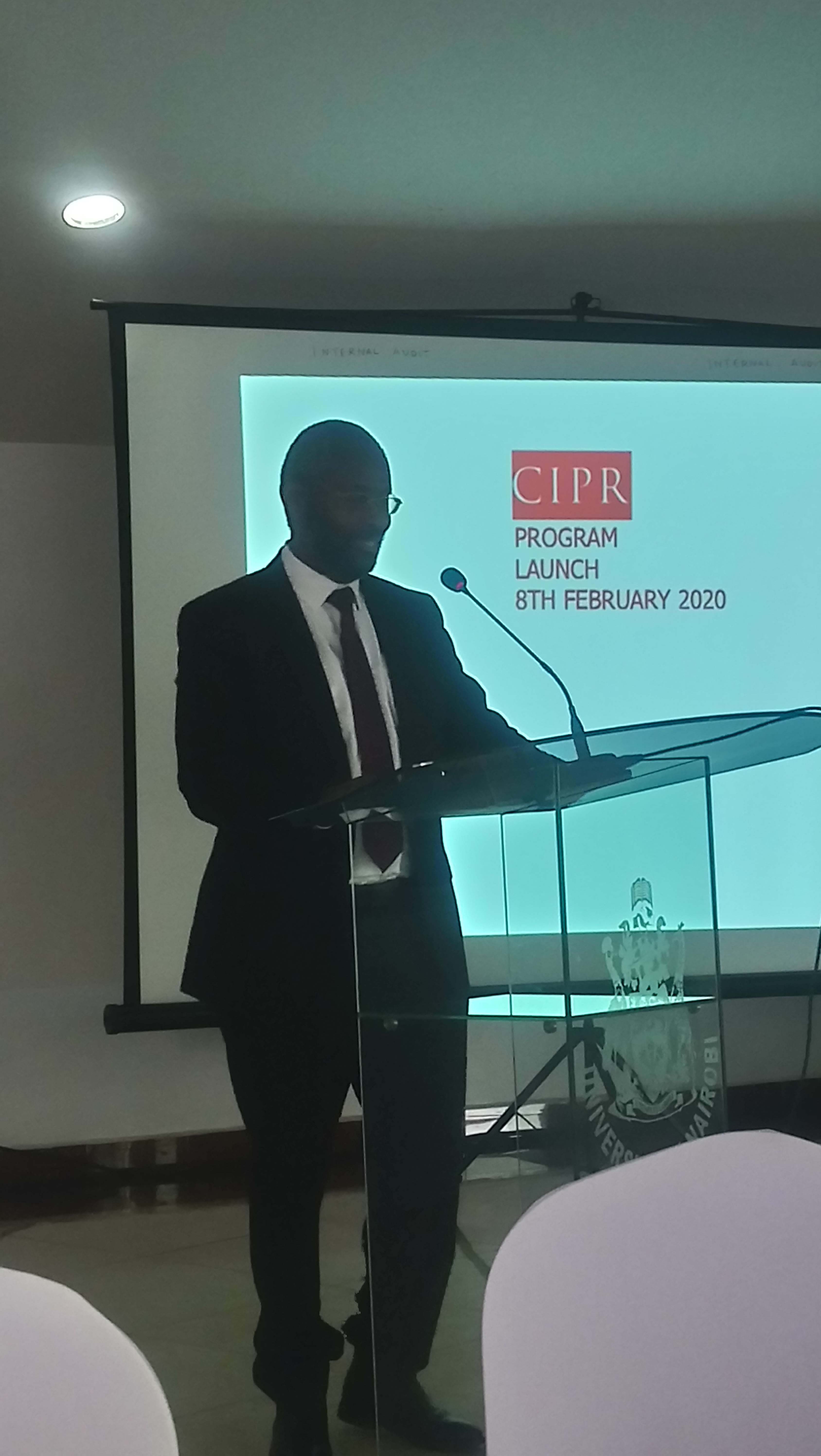
The UoN has asked affected students to seek clarification from deans, directors, graduate school chief or the academic registrar. The UoN has a relatively new vice-chancellor — Prof Stephen Kiama (pictured).