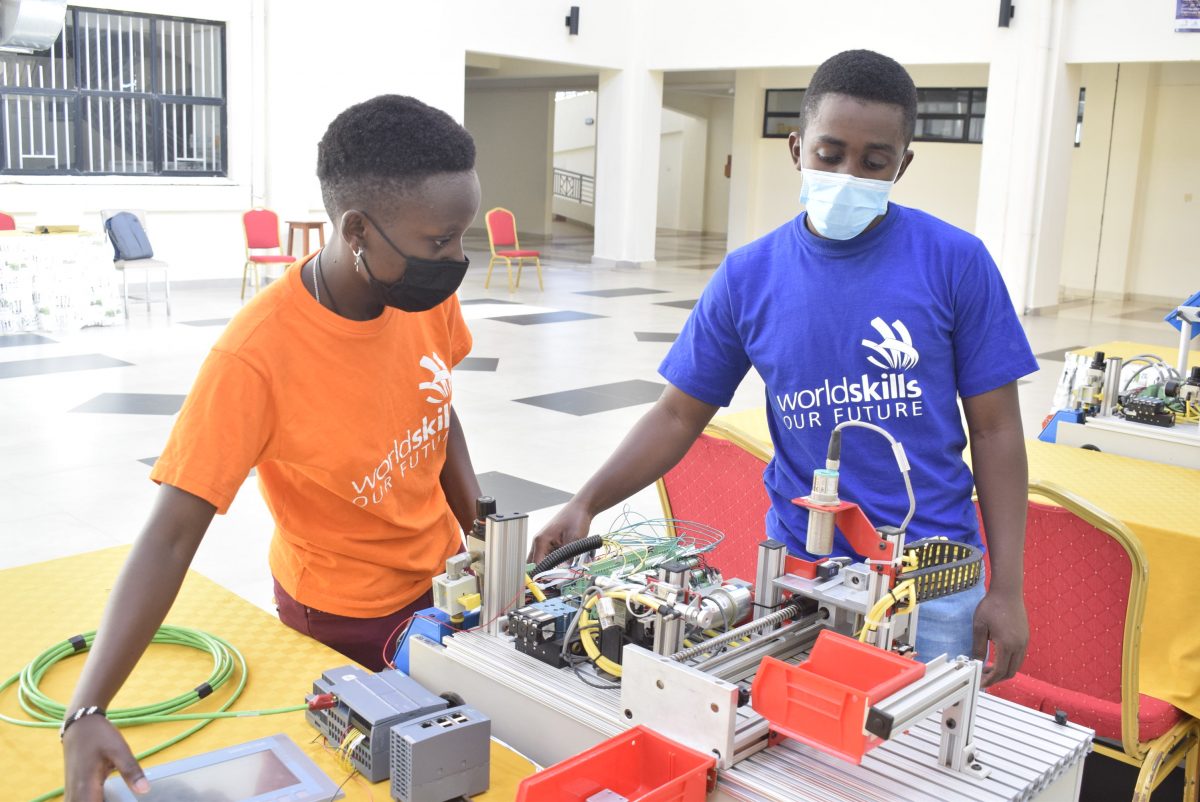
Kenyan technical institutes and polytechnics have been asked to test the relevance of their study programmes by collaborating with the best across the world.
According to the Technical and Vocational Education and Training (TVET) Principal Secretary Dr Esther Muoria, the graduates are released into the market to fight for opportunities from all corners of the world.
“We are all too aware that TVET graduates enter into a globally competitive labour market and for this reason, I urge all technical institutions to benchmark, collaborate and partner with top institutions in the world,” she told the Kenya Association of Technical Training Institutes.
Dr Muoria asked them to re-organise Competence Based Skilling (CBS) by incorporating international training at a time the government has declared more focus to TVETs in the push to see thousands of graduates creating their own employment at a time the jobs war was getting more intense.
“Such collaborations will result in internationally recognised programmes relevant to both local and the international labor markets.”
Through such ties, she added, TVET graduates obtain dual certifications that give them a competitive advantage to seek employment across the world. Among the challenges to quality training are research funds, facilities, and differences in technologies, for example some tools may be too advanced for use in certain regions of the world.
Kenya is grappling with unemployment with recent government data showing that more than a million graduates are giving up on search for jobs.
Despite the challenge, the government has focused on improving the education sector by providing grants and loans for students joining tertiary institutions.
A number of young graduates have resorted to self-employment whose challenges include capital, taxes, value addition and market access.
aplainteam@gmail.com