Education Cabinet Secretary Julius Ogamba has reappointed boards of several national polytechnics at a time the government is pushing for acquisition of skills in the country’s jobs race.
In the changes carried in the April 17 gazette notice, Mr Ogamba reappointed Dr Bishop Paul K. Korir as chairperson of the council of Kitale National Polytechnic. Other members reappointed to the council are Salina Cheruiyot, Harrison Tanga Webbo, Isaac Mudogo Shaviya and Jane Ahuru Ajele for a three-year term.
At Meru National Polytechnic, Anthony Njagi Getambu will continue chairing the apex organ of the institution with Suleyman Boru Dida and Jenu John returning as members of the decision-making body.
Patricia Mwaka Mbogoh has been reappointed as the council head at the Kenya Coast National Polytechnic while Luciana Sanzua, Peter Munyao Kimilu, Nuru Bwanakombo, Albert Kagwa and Shukri Barmadi will be members.
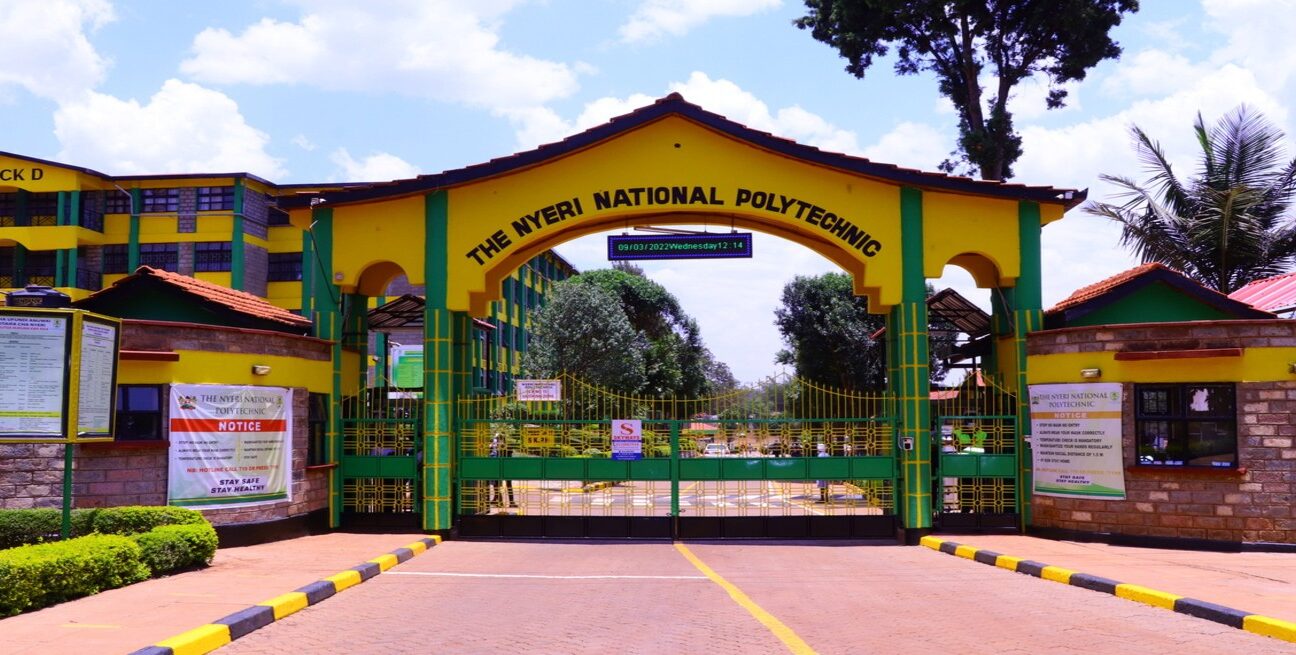
Nyeri National Polytechnic’s chair David Kanyoi Gachuru has secured another term of three years with Lucy Waruguru Mwai and John Suge serving as members. Edina Nyaboke Kangwana joins the board as a new member.
Technical training institutions such as polytechnics and training institutes are growing fast as Kenya continues to firm up its skills acquisition and jobs creation policy at a time youth unemployment is giving the government sleepless nights.
In the ongoing course applications, the Kenya Universities and Colleges Central Placement Service (KUCCPS) declared more than 300,000 opportunities at public universities and more than one million slots at TVET institutions.
When KUCCPS launched the ongoing applications on April 7, it declared 322,396 degree chances and 1,132,531 TVET training spaces, offering Form Four graduates an opportunity to further education and acquire skills needed for jobs and enterprise management.
TVET training opportunities are open to Form Four graduates who sat the KCSE exam from year 2000 up to last year while the degree slots are open to the 2025 cohort.
In terms of population, polytechnics such as Kenya Coast, Meru, Kisii, Sigalagala, Kabete, Eldoret, and Kisumu rule the roost. Others teeming with the numbers are Kaimosi, Mawego, Nairobi and Olessos.
One of the key challenges facing various boards of higher learning institutions such as polytechnics is sustainability at a time State funding has been dropping by the year.
A number of polytechnics and universities have ventured into income-generating activities that they also rely on for hands-on training when Kenya is focusing on skills training in the quest for jobs creation.
Kenya has 20 national polytechnics, a rise from an initial four—Kenya, Mombasa, Kisumu, and Eldoret. Kenya and Mombasa polytechnics have since been upgraded to universities, a step that critics challenged, saying the two technical schools had become synonymous with top skills acquisition, placing their graduates on a firm pedestal for global roles.