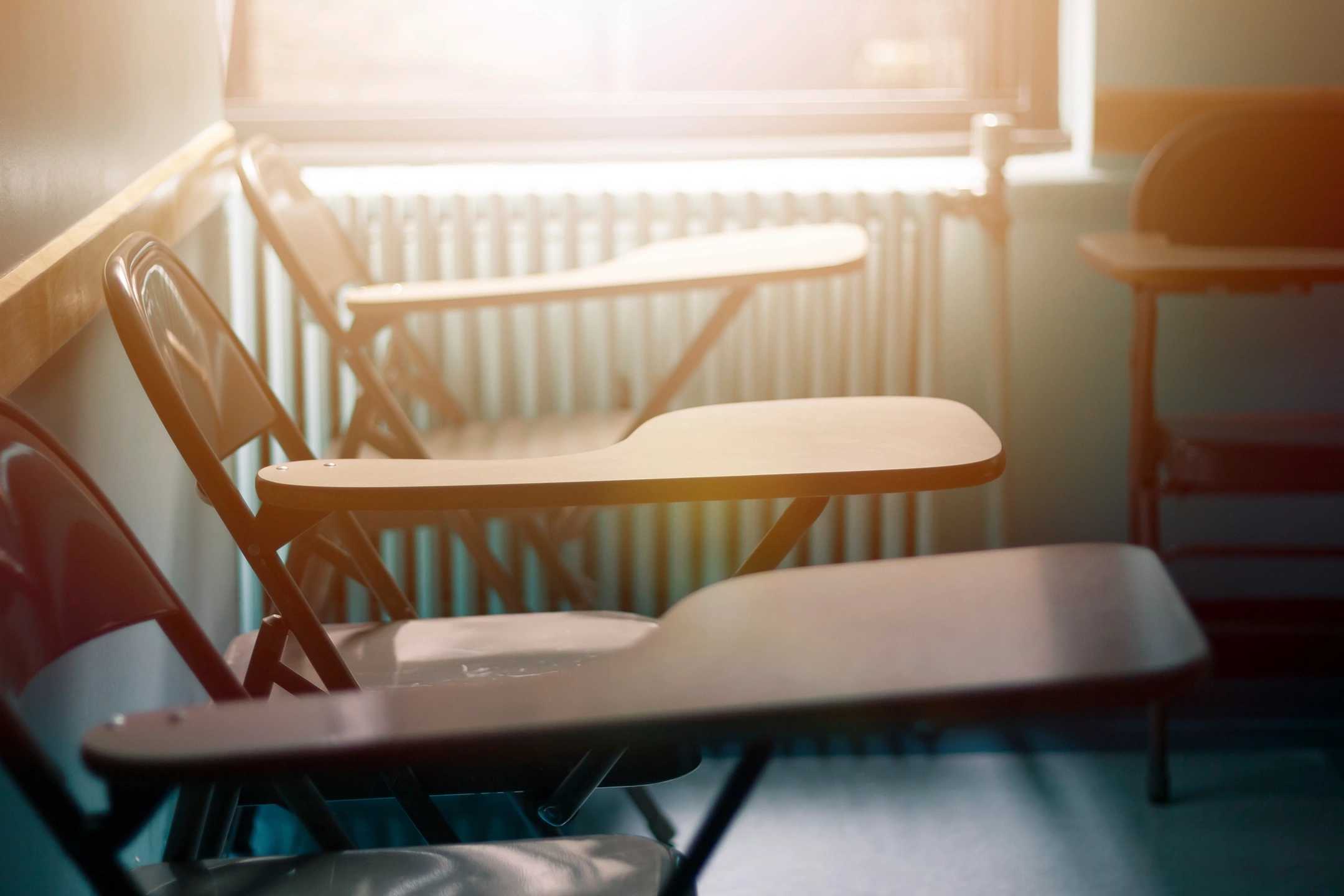
A lot has happened since schools reopened in Kenya on January 4 after the very long break linked to the Covid-19 protocols. Student indiscipline got worse due to the break, some think. School dormitories are burning while learners are threatening and attacking teachers and other workers.
However, arson and other deviance cases are not new save for the frequency. While people are perplexed, there has been a heated debate on whether boarding schools should be phased out or not in efforts to tame hooliganism.
The post coronavirus pandemic society is considerably different from what it was before. There is, therefore, a critical need to adapt to the new situation as it evolves and develops a link between students, schools, and the larger community. Surprisingly, various stakeholders have behaved as if nothing significant has changed.
Many schools have been closed down in the past few weeks due to student unrest and suspected arson attacks that leave sections of the institutions in ruins and anguish. How the situation can be brought under control is leading to suggestions like doing away with boarding sections.
It is believed that the school is an agent of socialising students for the national goals in which a tolerance for other people’s views and a sense of obligation is cultivated. With a closer look, however, what is obtaining is baffling. The characteristics of schools and the subsequent discipline of students, leave more questions than answers.
Many people, among them Kenya Union of Post Primary Education Teachers (Kuppet) chairman Omboko Milemba think boarding schools should be scrapped. Initially, it was thought that boarding facilities would enable learners to have more hours with teachers and on books.
What suggests that phasing out boarding schools can be helpful? Apart from the obvious cost issues like school fees, what would determine choosing boarding or day schools?
A few months ago when schools were closed, there was hue and cry over indiscipline cases like drug abuse, pregnancies, violence, and engaging in income generating activities, the latter likely tempting young people to drop out of school. These woes confirm the rather remote belief that schools are failing to transform.
In developed countries, where both parents are employed, there is not enough time to look after children who are thus sent to boarding schools to compensate for the loss of parental love and quality education.
While it is easier to enrol the child in the nearest school, it is only in order that they leave the “nest” and learn self-reliance and independence. At boarding schools, students are trained to take care of themselves from that early age. This way, they grow up into individuals who can make key decisions that are critical to useful living.
Boarding schools instil confidence so that one is not easily challenged by a new environment. They build a strong character and don’t cling to flimsy excuses when they fail to achieve.
Challenges abound and come in varied forms, some presenting a scary wildness that requires a rare steeliness to soldier on, shine and soar.
Some of the experiences in boarding schools, including destruction of property, expand boundaries of knowledge and shape the world views of many students who don’t take part in the waywardness.
The boarding school, if well balanced, is the place to do this. It can orient the students away from ethnic and other stereotypes many times generated by parents and passed on from generation to another.
At boarding schools, there are often fewer distractions, helping learners to concentrate on studies. How effective the boarding schools are could be best felt against the pain that visited homes when students were out of school during the peak of coronavirus pandemic.
Lest we forget, boarding schools isolate students from outside influences while ensuring maximum control over students. It is possible that the boarding school may produce an elitist group, but regular monitoring and reforms informed by research can cure such limitations.
What should worry parents are company their children keep and how supportive the staff — including teachers and support teams— are. Partly with proper infrastructure that enhance the formation of good habits and superior education, it is possible to let your child acquire and develop a lifestyle not so different from the wish of parents.
Musgrave P.W., a sociology of education specialist, lends support to the argument for the belief in the socialising function of boarding schools. But it is also reasonable to observe that specific schools have specific characters.
Before the Ministry of Education decides, it is important to consult authorities in determining the next steps on this key child development subject.
aplainteam@gmail.com